
Expert Tips from Septic Cleaning Companies
Understanding the operational demands of residential wastewater systems is essential for safeguarding your property and preventing premature utility failures. Unlike urban residences tied directly into municipal sewage networks, self-contained onsite plumbing structures require dedicated oversight, conscious household habits, and targeted professional care. Neglecting routine maintenance allows solid waste layers to accumulate unchecked, accelerating the risk of biological clogs, unhygienic surface overflows, and severe environmental contamination. Enlisting licensed septic cleaning companies ensures that internal mechanical elements, bacterial digestion chambers, and underlying soil absorption networks continue operating reliably for years to come.
Effective sanitation management begins by recognizing that onsite wastewater treatment relies on delicate chemical, physical, and biological equilibriums. When homeowners fail to maintain balanced bacterial flora or overload processing chambers with non-biodegradable debris, the entire system suffers progressive performance degradation. Trusted septic cleaning companies emphasize that preventative maintenance requires significantly less capital expenditure than emergency excavations or complete system replacements. By familiarizing yourself with core operational principles and adopting practical conservation habits, you can extend the functional lifespan of your installation, protect your surrounding landscape, and ensure lasting domestic sanitation throughout the year.
Understanding Septic System Components
A standard onsite wastewater installation consists of a primary settlement tank, an intricate network of perforated distribution lines, and a dedicated soil absorption bed. Wastewater exits residential fixtures and flows straight into the primary chamber, where gravitational separation divides incoming materials into distinct layers: heavy biological solids sink to form bottom sludge, while buoyant oils, grease, and fats float upward to create a protective scum blanket. The intermediate, partially clarified effluent liquid then travels toward an external distribution box, which disperses the fluid evenly across the soil absorption field. As this wastewater percolates through stratified layers of natural gravel and sand, soil microbes filter out harmful pathogens and excess minerals before the liquid recharges local aquifers.
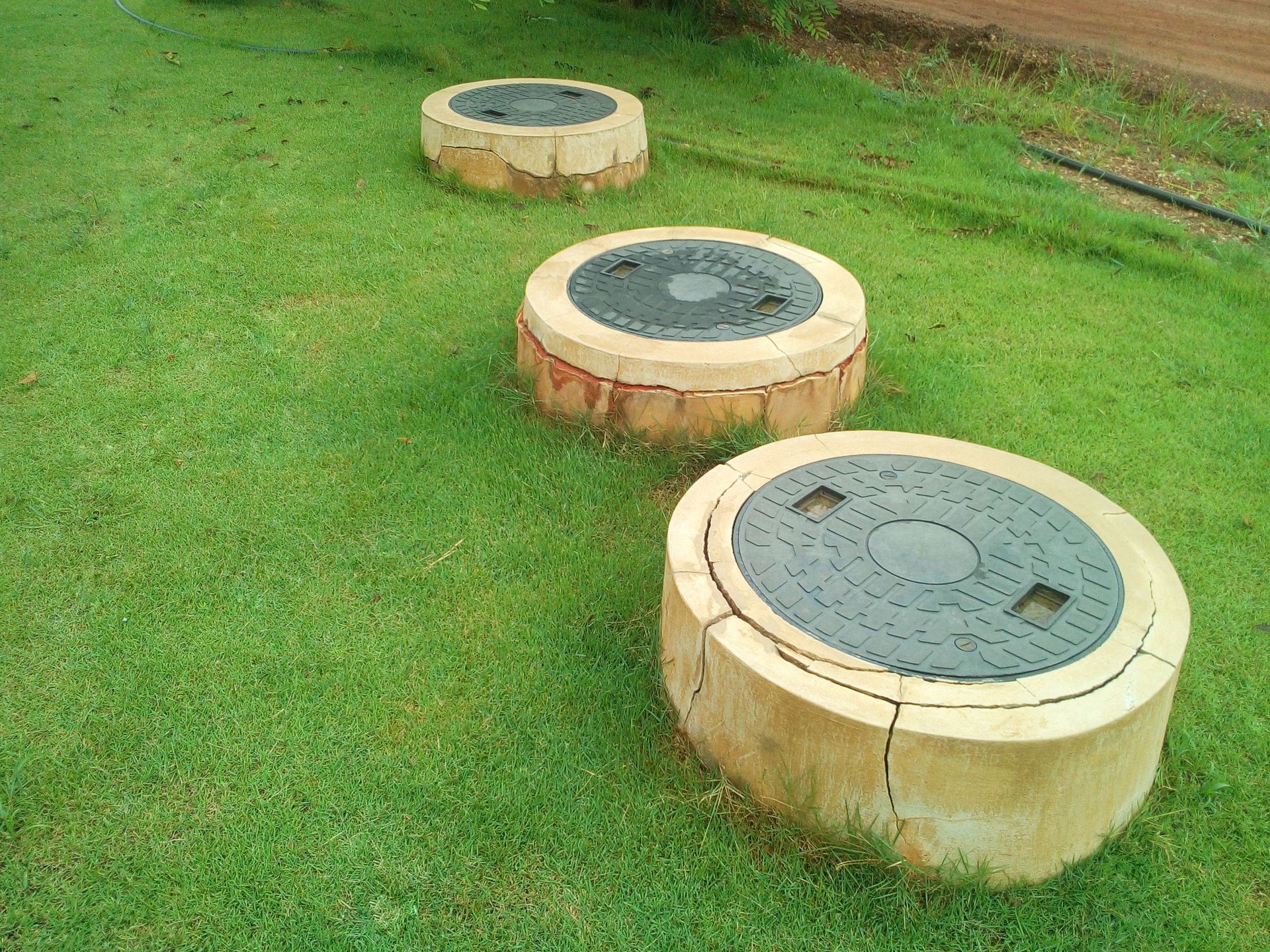
Preserving each mechanical phase is vital to preventing premature system failures and costly environmental contamination. Tank containment vessels, commonly built from precast concrete, durable fiberglass, or high-density polyethylene, must maintain structural integrity against corrosive subterranean gases and soil shifting. According to This Old House, several factors affect the lifespan of a septic tank, but they can last from 15 to 40 years. Achieving the upper threshold of that projected lifespan requires routine monitoring of mechanical baffle tees and effluent filters, which stop suspended solids from migrating into sensitive drain field lines. Retaining experienced septic cleaning companies to evaluate these internal barriers helps identify hairline fractures, root penetrations, and damaged distribution boxes before minor component wear causes total systemic collapse.
Recognizing Early Malfunction Indicators
Systemic drainage failure rarely occurs overnight; rather, subtle environmental and functional red flags typically emerge before catastrophic plumbing backups flood living spaces. Early warning indicators often manifest as sluggish sink drainage, persistent gurgling noises inside household plumbing stacks, and unpleasant sulfur odors lingering near distribution trenches. Outdoors, early warnings frequently present as soggy soil patches, standing wastewater pooling above buried chambers, or patches of unnaturally lush lawn foliage growing directly over drain fields. These surface symptoms indicate that underlying soil pores have become clogged with biomat buildup, severely restricting natural effluent percolation.
Ignoring these physical warnings inevitably invites extensive structural deterioration, expensive ground excavations, and serious domestic biohazard risks. Untreated sewage pooling on residential lawns exposes family members, local wildlife, and domestic pets to dangerous pathogens like E. coli, while foul gases can travel back through mechanical vents into interior living quarters. In addition, untreated waste migrating through saturated gravel beds risks contaminating shallow drinking wells and adjacent aquatic ecosystems. Contacting certified septic cleaning companies immediately upon observing slow household drains or foul odors ensures fast diagnostic intervention, isolating mechanical clogs before systemic saturation causes permanent ground damage.
Establishing Routine Maintenance Practices
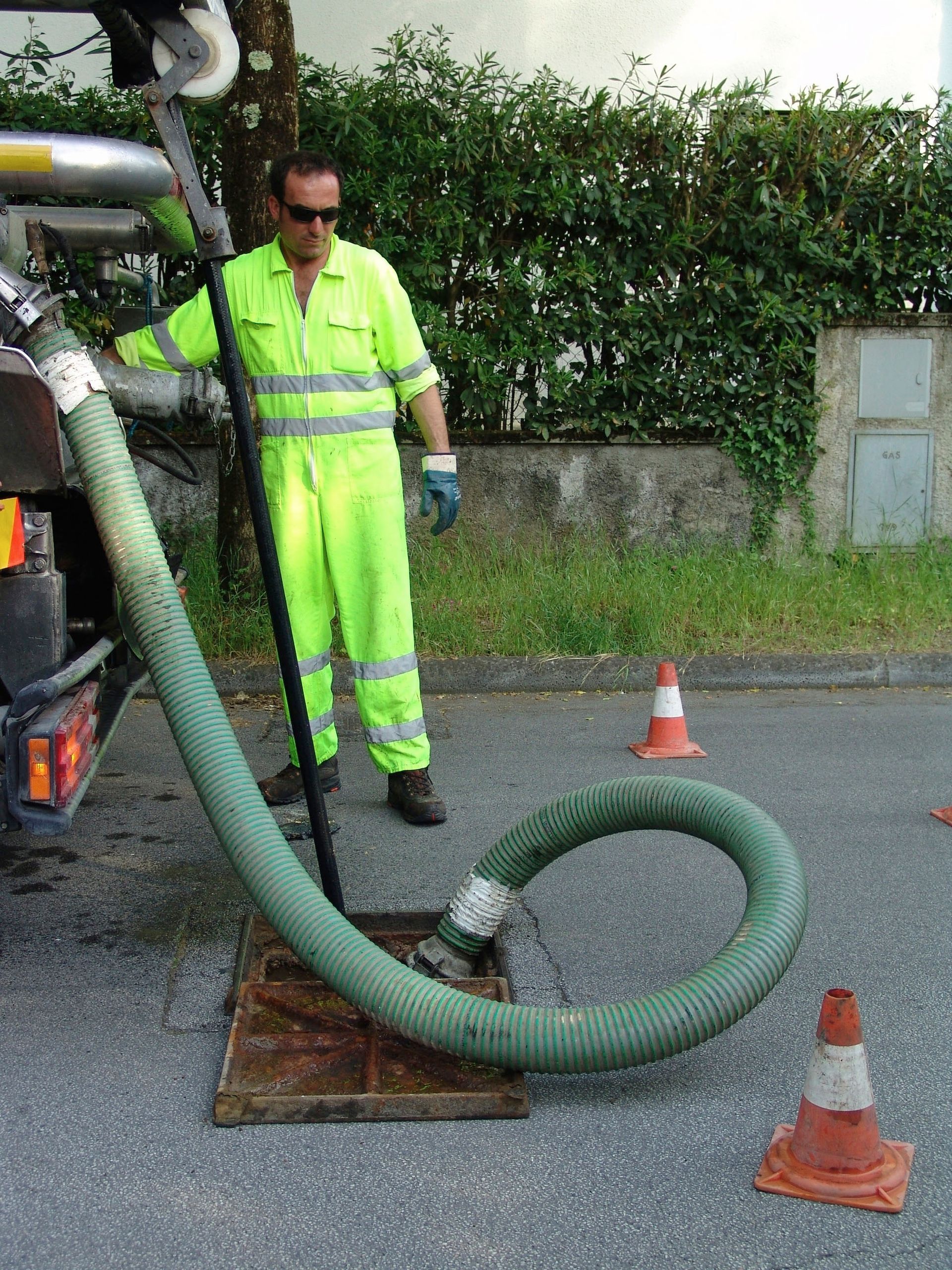
Developing a comprehensive preventative maintenance schedule is the most effective approach for ensuring uninterrupted wastewater management. The primary settling tank must be pumped empty every three to five years to extract non-digestible biological sludge and prevent solid layers from migrating into the drain field. Household size, overall daily water usage, and physical tank volume dictate how frequently professional pumping needs to occur. For instance, a small single-occupant household requires less frequent maintenance, whereas a busy five-person family utilizing high-demand appliances produces heavy biological waste volumes that necessitate pumping every two to three years.
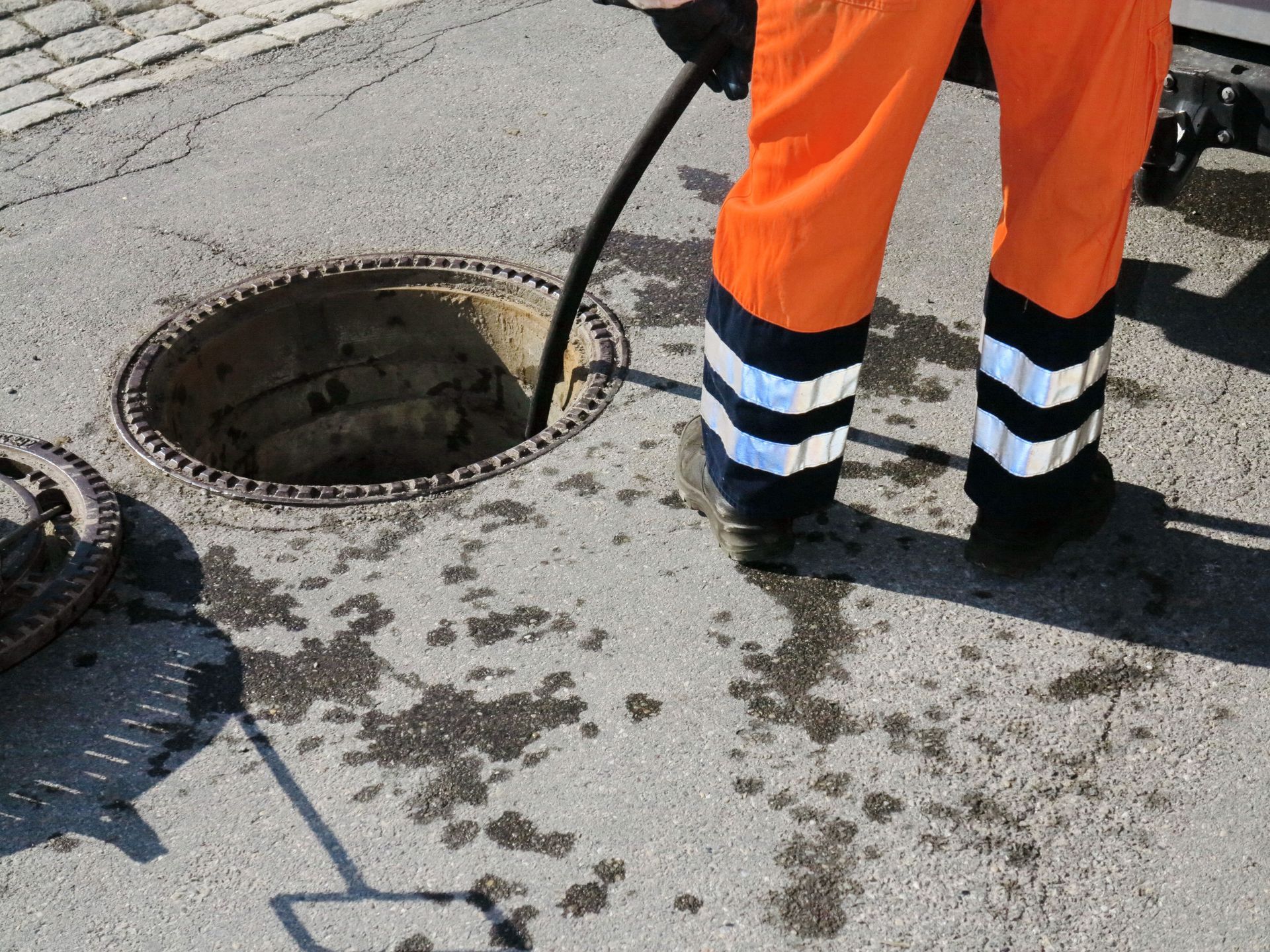
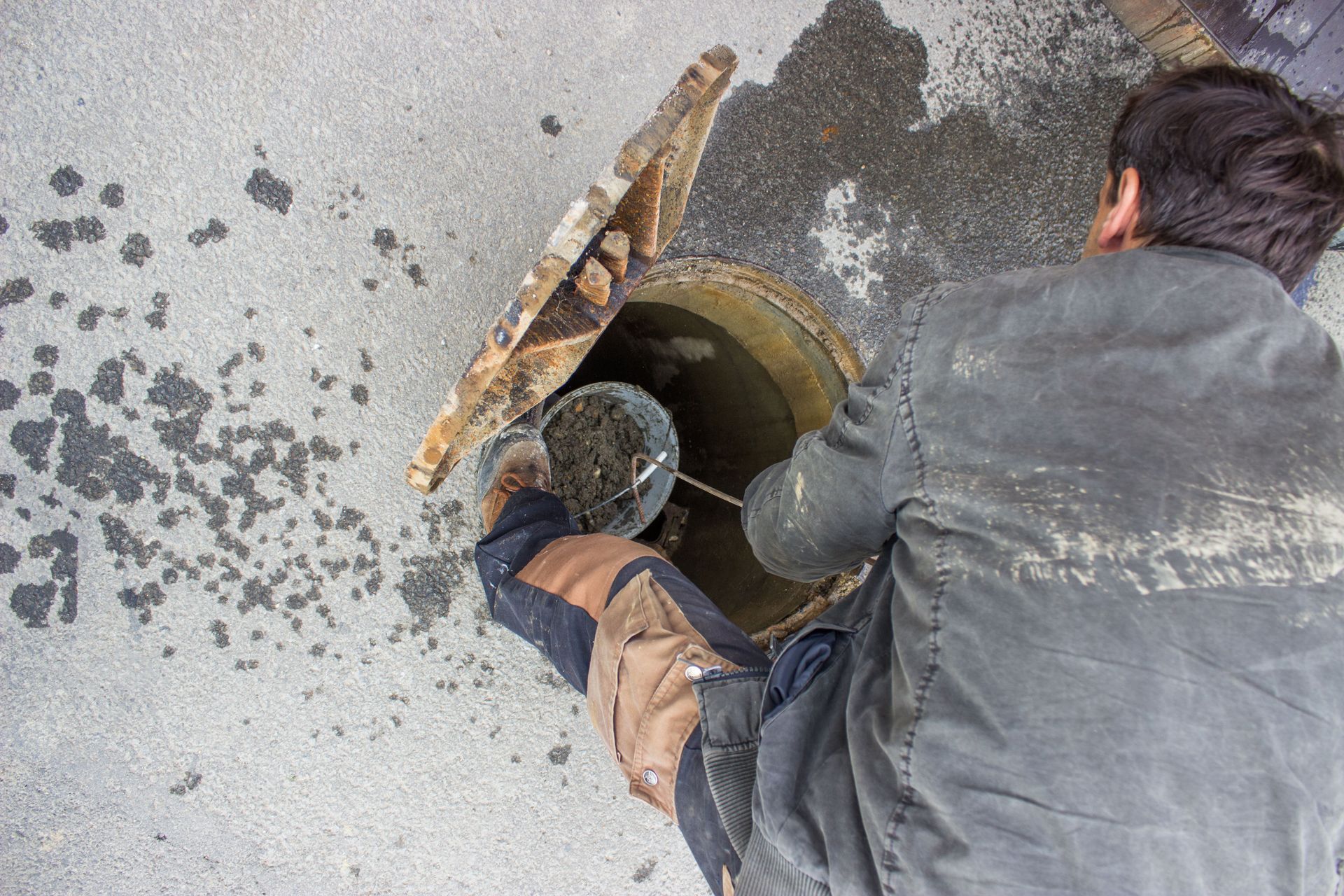
Complementing routine pumping schedules with disciplined household water habits dramatically reduces operational strain on the system. Excessive water volumes dumped into household drains during back-to-back laundry cycles flood settling chambers, stirring up dense sludge deposits and washing buoyant grease directly into porous soil absorption trenches. Spreading out laundry cycles over the week, installing high-efficiency aerators, and fixing leaky toilet flappers prevent hydraulic overloads. Furthermore, scheduling recurring inspections through dedicated septic cleaning companies ensures that technicians regularly clean mechanical filters, evaluate sludge accumulation depths, and verify that underground chambers remain structurally sound.
Protecting Porous Drain Fields
The drain field serves as the ultimate filtration barrier within the treatment process, requiring careful physical protection to prevent soil compaction and pipe blockages. Vehicles, heavy landscaping machinery, and storage sheds should never be placed atop the absorption field, as intense surface weight compacts loose soil, collapses fragile underground conduits, and crushes delicate distribution pipes. Similarly, only shallow-rooted turfgrass should be planted over the absorption area to prevent deep, woody roots from invading pipe perforations. Diverting roof gutters, surface runoff, and swimming pool discharge away from the absorption perimeter also stops heavy rains from waterlogging the surrounding soil.
When soil pores surrounding perforated distribution pipes become clogged with fine silt, grease particles, and synthetic debris, biological purification stops, and the ground quickly becomes oversaturated. If untreated wastewater pools across lawns, restoring natural percolation often requires expensive physical ground rejuvenation or relocating the entire drain field to undisturbed soils. Property owners must preserve surface vegetation, avoid synthetic ground weed barriers, and keep the absorption bed completely clear of foot traffic. Partnering with reputable septic cleaning companies for periodic soil percolation evaluations and diagnostic inspections ensures the drain field retains high absorption efficiency and continues filtering domestic waste properly.
Preventing Household Mechanical Clogs
Preventing mechanical clogs requires careful management of everything flushed down household toilets and washed through residential kitchen sinks. Items labeled as flushable wipes, sanitary hygiene products, dental floss, cotton swabs, and paper towels do not break down in water; instead, they bind with oils, float inside chambers, and form stubborn blockages across intake pipes. In the kitchen, dumping cooking oils, bacon grease, and buttery sauces down the drain is equally harmful, as fats solidify inside cold underground pipes, coating interior tank walls and creating sticky dams that trap biological solids.
Additionally, using garbage disposals heavily can overwhelm systems by dumping finely pulverized, unchewed food scraps into the main holding tank. These dense food remnants sink quickly, generating thick sludge deposits that accelerate pumping intervals by as much as fifty percent. Homeowners should compost kitchen scraps and throw cooking fats straight into the household trash instead of using garbage disposals. Consulting seasoned septic cleaning companies provides helpful insights into maintaining balanced bacterial activity, confirming that mechanical filters remain completely clear and ensuring household waste breaks down smoothly.
Protecting your residential investment demands experienced technical diagnostics, reliable equipment, and dependable support from licensed technicians. When looking to schedule preventative pumping, clear slow-draining pipes, or arrange a thorough system assessment, partner with knowledgeable local specialists. For comprehensive system care, prompt emergency services, and expert advice, trust the proven industry expertise of Nolen Septic Services to keep your residential plumbing functioning smoothly and reliably throughout every season.



Share On: