
How Technology Is Improving Modern Septic Cleaning
In recent years, advancements in technology have revolutionized various industries, and septic cleaning is no exception. With approximately one in four homes using a septic system, according to This Old House, the importance of efficient and eco-friendly septic cleaning cannot be overstated. This article aims to explore the cutting-edge technologies that are enhancing the septic cleaning industry, highlighting the improvements in efficiency, environmental benefits, and safety for workers. New innovations in septic cleaning are aimed at meeting growing demands for sustainability and cost-effectiveness. By leveraging technology, service providers can offer more reliable and timely maintenance schedules. The continuous advancements promise not only to improve current practices but also to pave the way for future breakthroughs.
Embrace Advanced Technologies in Septic Cleaning
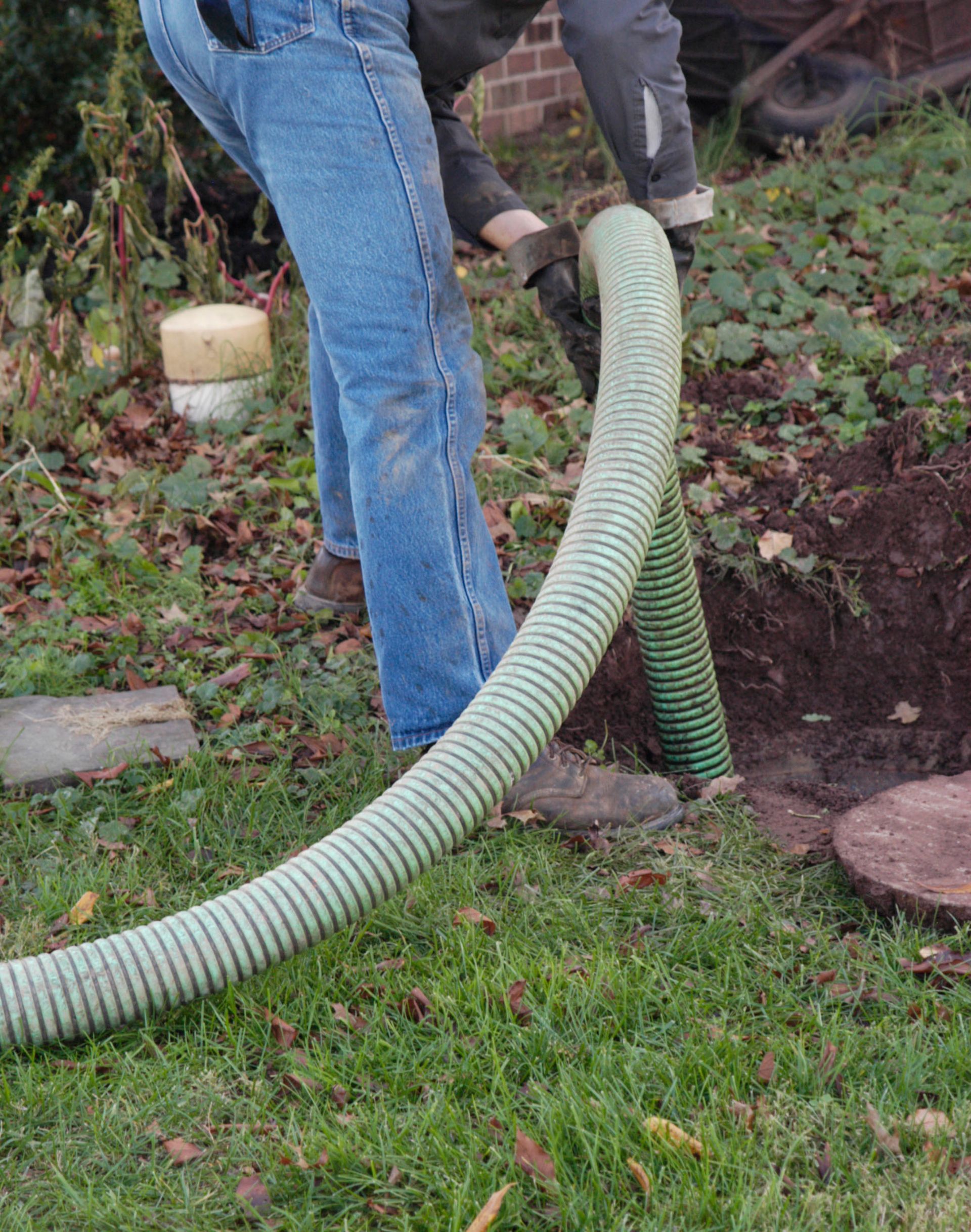
In an era where every industry strives for smart solutions, septic cleaning has embraced a swath of advanced technologies. One such innovation is the use of high-efficiency vacuum systems. These systems are designed to extract waste more effectively, minimizing residue and ensuring a more thorough cleaning process. Moreover, modern sensors are now being incorporated into septic systems to monitor levels and predict when cleaning is necessary. This proactive approach significantly reduces the risk of overflow and emergencies. With these technologies, homeowners can avoid the stress and cost associated with emergency interventions. Moreover, integration with home automation systems allows for seamless communication and maintenance alerts. The future holds potential for even smarter systems that self-regulate to maintain optimal performance.
Additionally, robotic technology is beginning to make a noteworthy impact. Drones and remote-controlled vehicles are now being deployed for inspections, especially in areas that are difficult or unsafe for human workers to access. This not only improves safety but also enhances the precision of inspections, identifying issues that might otherwise go unnoticed. These technological marvels are just the tip of the iceberg, indicating a promising future for septic cleaning technologies. Future innovations may include autonomous robotic systems capable of performing complex tasks without human intervention. The ongoing evolution of AI also promises to bring predictive capabilities, making septic systems smarter each day. The fusion of AI and robotics could make septic maintenance almost entirely hands-off, drastically transforming how the industry operates.
Maximize Efficiency and Reduce Operational Costs
The integration of technology in septic cleaning operations has led to significant gains in efficiency. Traditional methods often involved lengthy manual labor, with workers relying on rudimentary tools to perform cleanings. However, with the introduction of automated systems and advanced machinery, the time required for septic cleaning has been drastically reduced. High-efficiency vacuum pumps can clean a septic tank in a fraction of the time it would take manually, leading to increased operational productivity. This increased efficiency also results in reduced operational costs, which can be passed on to consumers. Companies report faster job completions, allowing them to handle more clients and boost their profitability. Optimizing routine maintenance is crucial for extending the life of septic systems, drawing out the need for costly replacements.
Moreover, technology has introduced precision into the cleaning process. Sensors provide real-time data on waste levels, enabling timely interventions before problems escalate. This data-driven approach reduces unnecessary cleanings and focuses efforts where they are most needed, conserving resources and time. Such advancements underscore the profound impact technology has in streamlining septic cleaning processes, providing an economic edge for service providers. This level of precision also reduces the environmental footprint of maintenance operations. Enhanced scheduling protocols ensure resources are only used when necessary, promoting sustainable practices. The reliance on data allows companies to better strategize and optimize their services, fine-tuning operations to meet client needs more effectively.
Promote Environmental Benefits and Sustainability
Environmentally speaking, the latest technologies in septic cleaning have ushered in a wave of benefits. By ensuring more thorough cleaning, advanced systems reduce the risk of untreated waste seeping into the surrounding environment. This is crucial for protecting local water sources from contamination. Besides, the automation of septic systems helps conserve water. With precise monitoring and prediction capabilities, septic systems function more efficiently, minimizing water wastage associated with traditional cleaning. New technologies provide insights into system performance, fostering eco-friendly practices among homeowners. Awareness of water conservation emerges as systems demonstrate their effect on resource usage. The incorporation of green practices into tech designs signals a forward-thinking approach to environmental care.
Furthermore, the reduced need for chemical cleaners due to efficient mechanical systems signifies a positive stride towards eco-friendly practices. Eco-conscious methods and the reduced environmental footprints now characterize the modern septic cleaning landscape. As more companies adopt these technologies, the cumulative positive impact on the environment becomes increasingly evident, proving that technology can work hand-in-hand with ecological responsibility. The transition to sustainable technologies reflects a broader societal shift towards environmental justice. As systems become more autonomous, waste-to-resource technology is expected to rise, turning effluent into a valuable asset. Companies engaging in sustainable practices enjoy heightened reputational benefits and a competitive advantage in the market.
Enhance Safety for Septic Cleaning Workers
Safety for workers engaged in septic cleaning has also witnessed robust improvements thanks to technological innovations. Traditional septic cleaning posed various hazards, from chemical exposure to the physical dangers of working in confined and unsanitary conditions. However, advancements such as automated machinery and insulated tools have significantly mitigated these risks. Remote operation capabilities, for instance, allow workers to control equipment from a safe distance, minimizing the need for direct exposure to potentially hazardous environments. As safety measures improve, industry standards rise, ensuring heightened protection for all employees in the field. Advanced surveillance capabilities offer more visibility into operations, reducing physical risk areas. By decreasing accident rates, companies benefit from reduced liability insurance and improved employee retention.
Personal protective equipment (PPE) has also evolved with technology, offering better protection against chemical and physical hazards. Additionally, virtual reality and augmented reality technologies are being employed for training purposes, equipping workers with the necessary knowledge and skills to operate safely and effectively. By prioritizing worker safety through technology, the septic cleaning industry not only enhances productivity but also ensures a safer working environment. Continuous learning opportunities keep workers informed on the latest safety protocols, boosting confidence and efficiency. With safer processes in place, companies can redirect focus toward customer satisfaction and innovative service offerings. By building a culture of safety, employers strengthen their workforce's trust and morale, proving the positive correlation between technological advancements and employee welfare.
The dynamic evolution of technology within the septic cleaning industry continues to shape its future in remarkable ways. From enhancing efficiency with automated systems and smart sensors to offering significant environmental and safety benefits, technology stands as a pivotal force in modernizing septic cleaning practices. As technology advances and becomes more accessible, the long-term impacts on efficiency, environmental stewardship, and worker safety are set to expand, promising a cleaner, safer, and more sustainable approach to septic system management. The sector remains poised for continued innovation, promising improved solutions with each technological breakthrough. Stakeholders are encouraged to invest in research and development to bring forth radical strategies for industry growth. The trajectory of progress appears bright, beckoning new entrants to leverage advanced technology and drive further transformation. Reach out to Nolen Septic Services to learn more about our septic cleaning services and how technology is improving our services.


Share On: